Zda je čištění zubů bolestivé
Jak pravděpodobné je bolest při čištění zubů?
Zadejte informace o svém zdraví a způsobu života, abyste zjistili, zda je pravděpodobné, že vám bude čištění zubů bolet. Vyhodnotíme faktory podle českého zákoníku a zkušeností zubních hygienistů v Praze.
Many people avoid going to the dentist because they’re afraid it will hurt. You’ve probably heard stories from friends: "To bylo strašné, cítil jsem to až do hlavy!" Or maybe you’ve been there yourself-sitting in the chair, heart racing, wondering if this time will be different. The truth? Dentální hygiena nebolí-at least not the way you think it does. Not anymore.
Co se vlastně děje při čištění zubů?
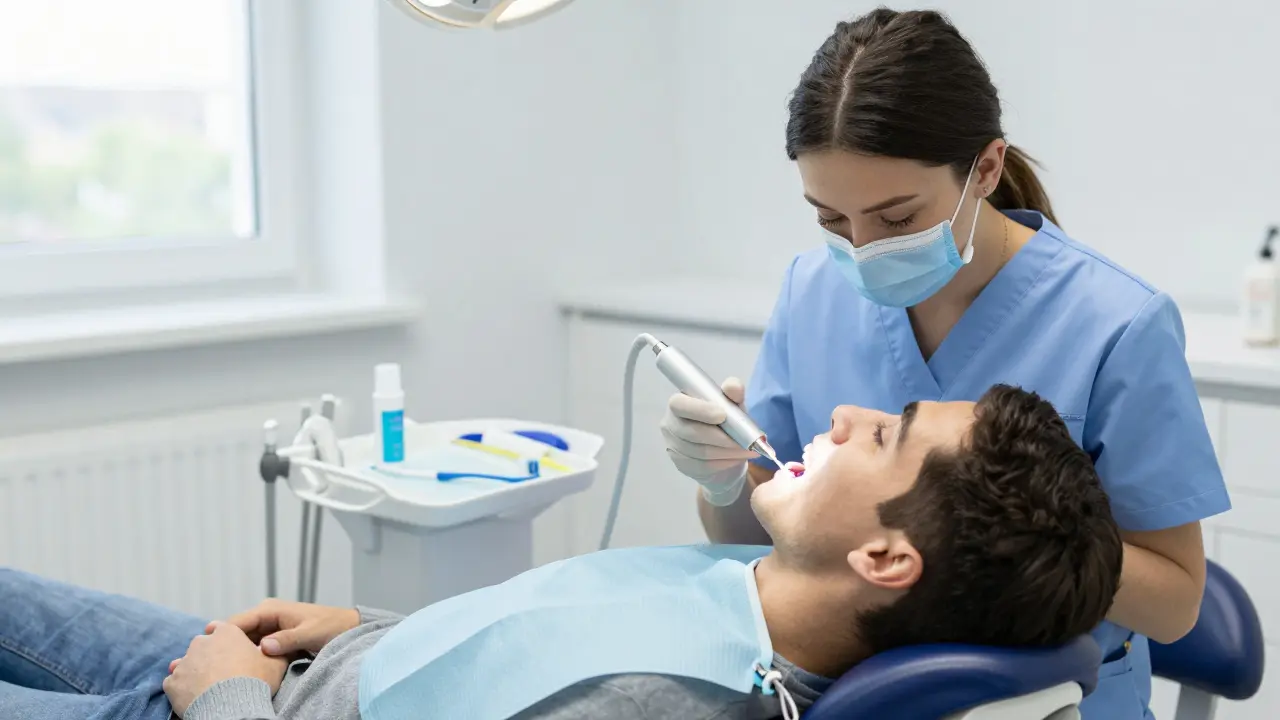
When you walk into a zubní ordinace in Prague, the hygienist doesn’t just grab a tool and start scraping. Modern dentální hygiena starts with a gentle exam. They look at your gums, check for plaque buildup, and ask about your daily routine. Did you skip flossing last week? Do you brush right after meals? These aren’t judgment questions-they’re clues to help them adjust the treatment.
The tools used today are nothing like the old metal hooks from your grandparents’ time. Ultrazvukové čištění uses high-frequency vibrations to break up tartar without digging into your teeth. It’s quiet, it’s cool, and most people describe it as a tickling sensation-not pain. If you have sensitive gums, they’ll slow down. If you have deep pockets from gum disease, they’ll use local anesthesia. It’s not optional. It’s standard.
Proč lidé říkají, že to bolí?
The discomfort people remember isn’t from the cleaning itself. It’s from delayed care. When you wait six months, then a year, then two years between visits, plaque hardens into calculus. That stuff sticks like cement. Removing it from inflamed gums? That’s where the sting comes from.
Imagine your gums are swollen from a bad cold. Now imagine someone gently pressing on them. It’s tender. That’s what happens when tartar builds up under the gumline. The hygienist isn’t causing pain-they’re relieving it. The real pain is what happens if you don’t go: receding gums, loose teeth, even tooth loss. And yes, those treatments cost more. And hurt more.
Co dělat, když máte citlivé zuby?
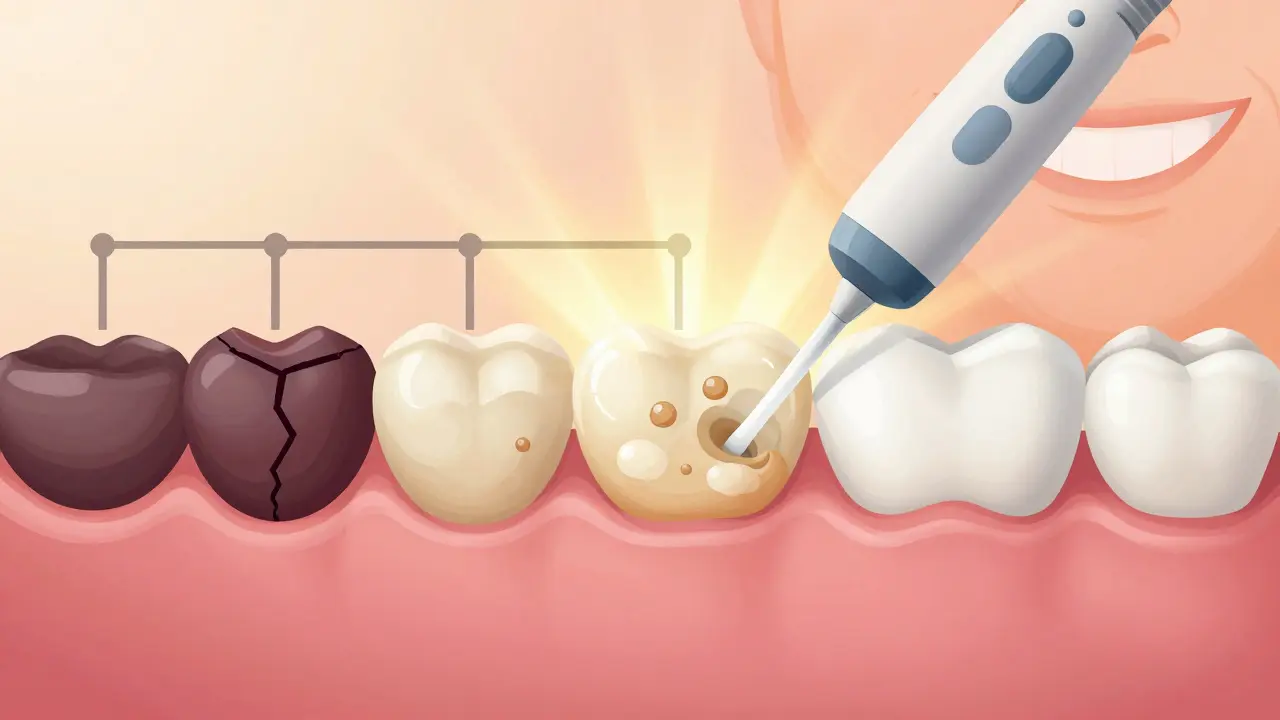
If your teeth feel sharp when you drink cold water or bite into an apple, you’re not alone. About 40% of adults in the Czech Republic report some level of dentální citlivost. But here’s the good news: it’s treatable.
Before your appointment, ask for a desensitizing gel. Many clinics in Prague use products like GC Tooth Mousse or Sensodyne Professional. These are applied right before cleaning and form a protective layer over exposed roots. Some hygienists even use a special low-speed handpiece with a soft brush and fluoride paste instead of ultrasonic scalers for sensitive patients.
And if you’re nervous? Tell them. Seriously. A good zubní hygienist in Praha will pause, let you breathe, and even let you signal with your hand if you need a break. No judgment. No rush. You’re in control.
Je čištění zubů bezbolestné i u dětí?
Yes. And it should start early. The Czech Dental Association recommends the first visit by age one-or when the first tooth appears. Kids don’t get deep cleanings. They get playtime with mirrors, stickers, and gentle brushing practice. The goal isn’t to remove tartar. It’s to build trust.
By age five or six, most children have their first professional cleaning. It’s quick, fun, and painless. If your child is scared, bring them along to your own appointment. Watching you stay calm makes all the difference. Many clinics in Prague even have playrooms with toys and cartoons to ease anxiety.
Co se stane, když nejdete na hygii?
Let’s be clear: skipping regular cleanings isn’t just about bad breath. It’s about systemic health.
Studies show that people with untreated gum disease have a 20-30% higher risk of heart disease. Why? Because the bacteria from infected gums enter your bloodstream. That inflammation doesn’t stay in your mouth. It spreads. It’s linked to diabetes complications, premature births, and even dementia.
In Prague, the average person waits 18 months between cleanings. That’s too long. The recommended interval is every 6-12 months. If you smoke, have diabetes, or take medications that cause dry mouth, you should go every 4-6 months. Your body is telling you something-listen before it screams.
Co vám zubní hygienistka řekne, když se vrátíte?
After your cleaning, you’ll get a personalized plan. Not a generic "brush twice a day" lecture. A real plan.
"You’re missing the back molars," they might say. "Try an electric toothbrush with a pressure sensor." Or: "Your flossing technique is good, but you need to go under the bridge. Here’s a water flosser you can try."
They’ll show you how to use interdental brushes if you have gaps. They’ll recommend toothpaste with 1450 ppm fluoride-not just any brand. They might even give you a free sample of an oral rinse proven to reduce plaque by 40% in 14 days.
This isn’t sales. This is prevention. And it’s free with most public health insurance in the Czech Republic.
Když už jste tam, co dělat?
Don’t rush out after your cleaning. Sit for five minutes. Drink water. Let the fluoride sink in. Ask questions. What’s the difference between plaque and tartar? Why do my gums bleed? Is this normal?
Good clinics in Prague don’t just clean teeth-they educate. They’ll give you a printed guide. Maybe even a QR code linking to a short video on proper brushing. They want you to leave confident, not confused.
And if you’re still nervous? Book your next appointment before you leave. Schedule it for the same time next year. Make it a habit. Like paying your electricity bill. Or washing your sheets.
Je to stojí za to?
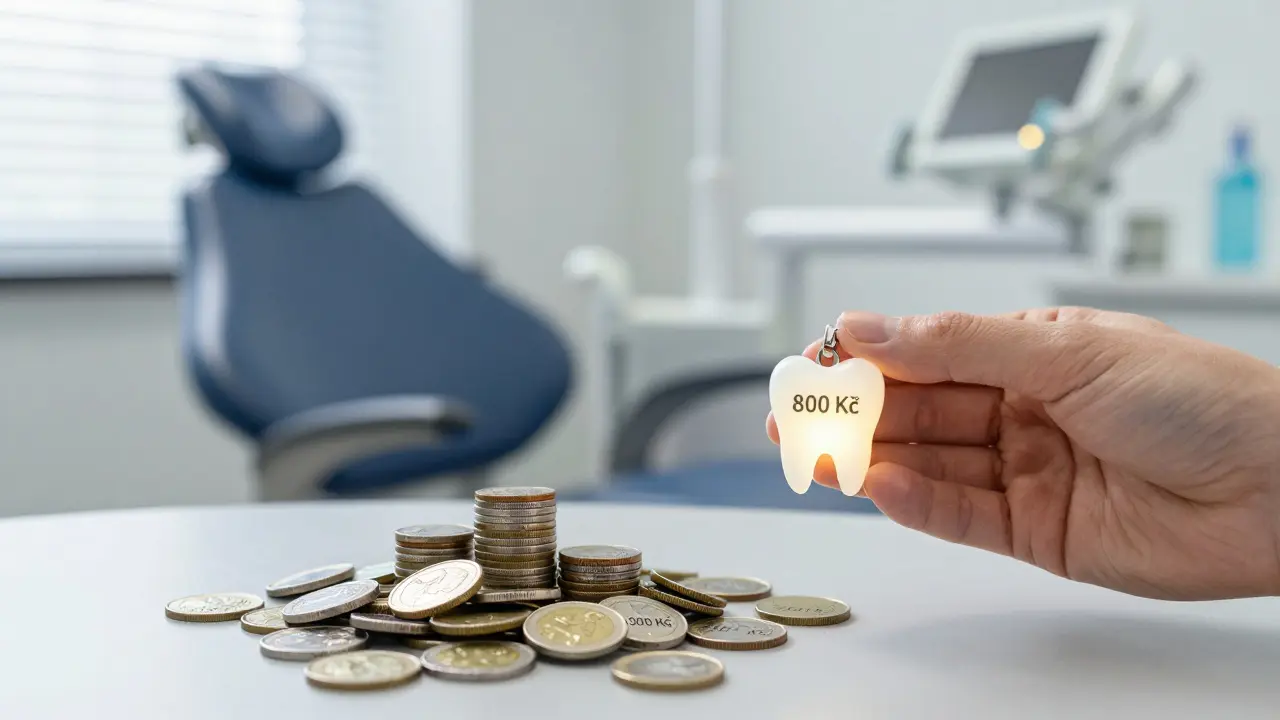
A single professional cleaning in Prague costs between 800 and 1,500 Kč. With insurance, you pay 0 Kč. That’s less than a latte. But the value? Priceless.
Think about this: one untreated cavity can turn into a root canal. That costs 8,000 Kč. Then a crown: 12,000 Kč. Then an implant: 25,000 Kč. And that’s just one tooth. Multiply that by three or four, and you’re looking at 100,000 Kč in preventable costs.
Plus, you keep your smile. Your confidence. Your ability to eat what you love without flinching.
Dentální hygiena isn’t about pain. It’s about peace of mind.
Je čištění zubů bolestivé?
Ne, čištění zubů by nemělo být bolestivé. Moderní techniky, jako ultrazvukové čištění, jsou mírné a příjemné. Pokud cítíte bolest, může to znamenat, že jste dlouho nechodili na hygii a máte závažnější zánět. Hygienistka vám může aplikovat místní anestézii nebo použít citlivější metody.
Proč moje dásně krvácejí při čištění?
Krvácení dásní je příznak zánětu, ne způsobeného čištěním, ale jeho nedostatkem. Plak a kámen pod dásněmi způsobují zánět. Když hygienistka odstraní tyto látky, dásně se začnou hojit. Krvácení by mělo ustoupit během několika týdnů po pravidelném čištění.
Můžu si přijít na hygii bez zubního lékaře?
Ano. V České republice máte právo navštívit zubní hygienistku bez předchozího vyšetření lékaře. Hygienistka provede základní vyšetření a pokud zjistí potřebu lékařského zásahu, vás přesměruje. Mnoho klinik v Praze nabízí čistě hygienické návštěvy.
Kolikrát ročně bych měl chodit na dentální hygii?
Pro většinu lidí je doporučeno dvakrát ročně. Pokud máte zánět dásní, kouříte, trpíte cukrovkou nebo máte suchý ústní sliznici, doporučuje se čištění každé 4-6 měsíce. To zabraňuje rozvoji závažnějších problémů a ušetří vám peníze i bolest.
Je čištění zubů pokryto zdravotním pojištěním?
Ano. Většina základních zubních hygienických čištění je plně pokryta veřejným zdravotním pojištěním v České republice. Stačí mít platný zdravotní průkaz a jít na vybranou zubní ordinaci, která je partnerem zdravotní pojišťovny. Některé pokročilé metody nebo speciální produkty mohou být doplňkové.
Don’t wait until it hurts. Your teeth don’t need a crisis to deserve care. Make your next appointment today. Your future self will thank you.
Vítězslav Novotný
Jsem stomatolog se specializací na preventivní péči a zubní estetiku. Vedle mé praxe se také věnuji psaní článků o péči o zuby, nových trendech ve stomatologii a domácích metodách prevence zubního kazu. Jsem nadšeným zastáncem celoživotního učení a snažím se své znalosti sdílet s co nejširším publikem.